
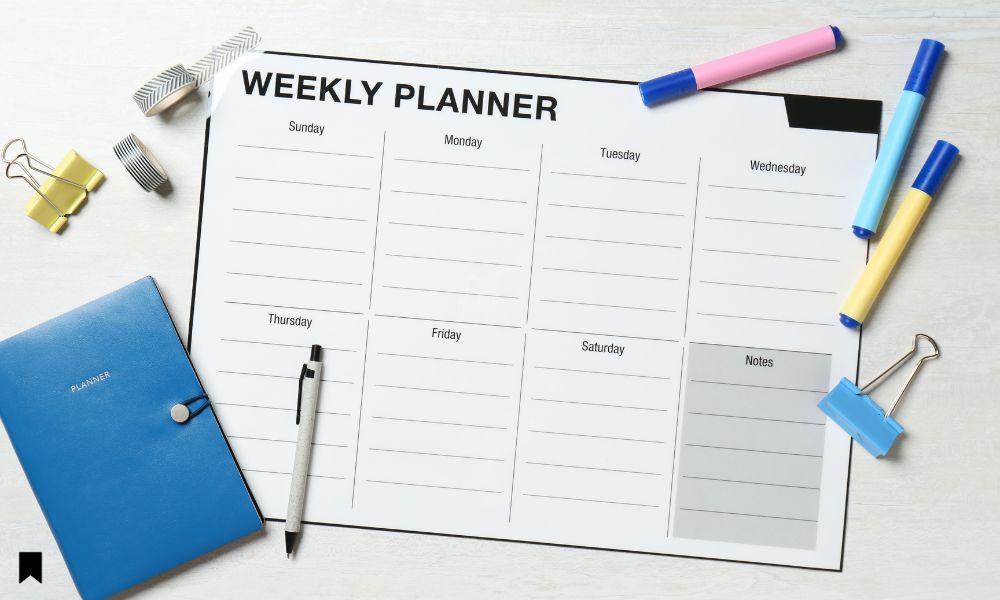

Most family stress isn’t caused by one big problem. It’s caused by a bunch of small things nobody talks about until they explode. A forgotten appointment, a last-minute school event, the wrong shoes on the wrong day, or realizing you needed to send money and a form… today.
The hard part is that none of these problems are “serious,” but they pile up fast. And once you’re in the middle of the week, it feels like you’re living off reminders and scrambling just to keep up.
This 10-minute weekly check-in fixes that. It’s a quick reset that gets everyone on the same page and makes the week feel lighter before it even starts. This especially helps me deal with my 2nd born, who can really make things interesting.
The 10-Minute Weekly Check-In
The goal of this check-in isn’t to create a perfect schedule. It’s to stop the week from surprising you. When everyone knows what’s coming, you spend less time reminding, repeating yourself, and trying to fix things at the last second.
Pick a time that already exists so it’s easier to stick to. Sunday evening works great, but Monday after dinner is fine too. The best time is simply when the house is calm enough to talk for a few minutes without interruptions.
Keep it short and keep it simple. This isn’t a long family meeting. You’re just doing a quick scan of the week and making sure the basics are covered. Ten minutes now saves you an entire week of “Wait… what time is that again?” energy.
Once you do this a few times, it becomes automatic. It starts to feel less like planning and more like taking pressure off your future self.
1) What’s happening this week?
Start by looking at what’s actually on the calendar. This is the part that prevents surprises, because most weekly stress comes from forgetting something until the day of.
Run through the basics: school events, appointments, deadlines, practices, and anything that’s outside the normal routine. Even small things matter, like an early dismissal or a late meeting that changes pickup time.
If you have a partner, this is where you both get aligned. If you’re doing this solo, it still helps because you’re getting everything out of your head and into the open.
The goal isn’t to plan every detail. It’s to make sure everyone knows what’s coming so the week doesn’t feel like a constant scramble.
2) What do we need to prep?
Now that you know what’s coming, the next step is asking: what needs to be ready ahead of time? This is where the check-in starts paying off, because most mid-week chaos isn’t the event itself — it’s the prep you didn’t realize you needed.
Think through the basics: lunches, rides, clothes or uniforms, money that needs to be sent, and any forms or permission slips. These are the small things that always seem to show up at the worst time, usually when you’re already rushing out the door.
The goal here is not to do all the prep right now. It’s to spot what needs to happen so you can handle it early instead of late. Even writing “pack lunch stuff” or “find uniform” on a note makes a difference, because it turns it into a plan instead of a surprise.
If you’re doing this with a partner, assign it quickly. If you’re doing it solo, pick the one or two things you can knock out first. The week feels lighter when you’re not carrying a bunch of unspoken tasks in your head.
3) What’s one thing we can do to make it easier?
This is where you turn the check-in into a real win. You’re not trying to fix everything. You’re picking one small move that makes the whole week smoother.
Choose something simple that removes pressure fast. Planning three dinners, doing a quick grocery run, resetting backpacks and shoes, or starting laundry early are all great options. These aren’t huge tasks, but they prevent the annoying problems that always pop up at the worst time.
The reason this step works is because it gives you momentum. When you do one helpful thing on purpose, the week stops feeling like something that happens to you. It starts feeling like something you’re actually running.
Keep it realistic. If you’re tired, pick the easiest option. The goal is to make life easier, not create another “perfect routine” you can’t keep up with. One small setup move beats a big plan that never happens.
4) What’s one thing we’re looking forward to?
This step feels small, but it changes the tone of the whole week. When everything is busy, it’s easy for family life to turn into nothing but tasks, reminders, and getting through the next thing.
Take a minute and name one thing you’re looking forward to. It can be simple: movie night, a favorite dinner, a playdate, a weekend plan, or even just sleeping in on Saturday. The point isn’t to be cheesy. The point is to remind everyone that the week isn’t only work.
This also helps kids more than you’d think. When they have something to look forward to, they’re usually more cooperative during the boring parts of the week. And honestly, adults need it too.
You’re basically adding one bright spot to the calendar on purpose. That one small shift can make the whole week feel lighter.
SaveTheParent Take
You don’t need a perfect family schedule. You just need a weekly moment where everyone knows what’s coming. If you have a bunch in the household, you’ll know that this is almost impossible thanks to the attitudes and different personalities.
This check-in stops the week from turning into constant reminders and last-minute chaos. It gives you a chance to see the problems before they show up, handle the prep early, and make one small move that makes everything easier.
Ten minutes once a week can save you hours of stress. And the best part is it doesn’t require motivation or discipline — it just requires a quick reset that you can actually stick to.